1. Introduction
A sintering furnace is a thermal processing unit used in powder metallurgy and ceramic manufacturing worldwide. Factories and foundries use it to produce dense, strong, and dimensionally accurate parts. Bangwin Thermal provides high-quality and long-lasting sintering equipment for small workshops and large industrial applications.
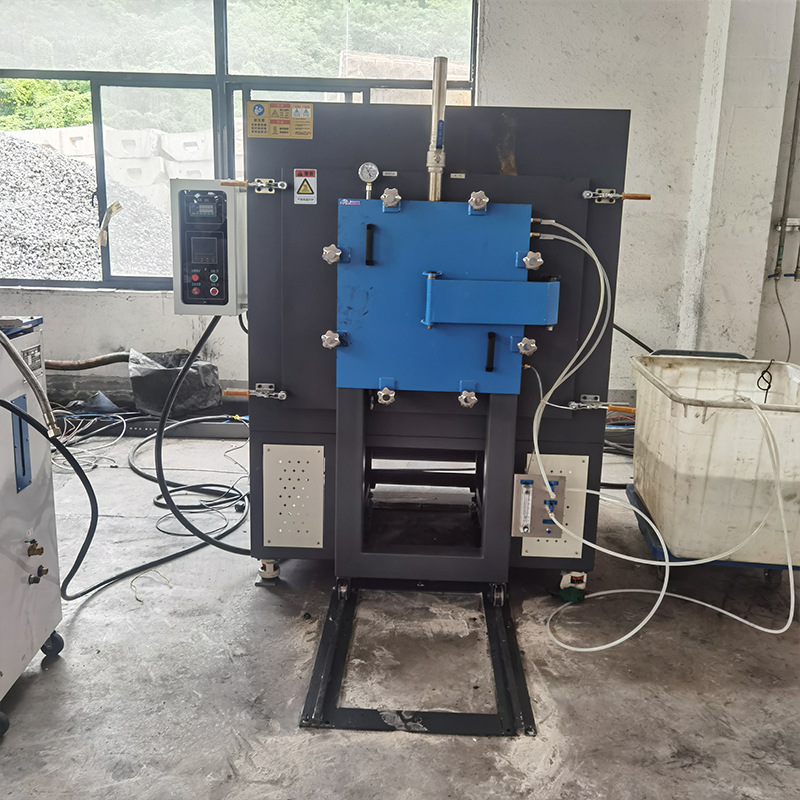
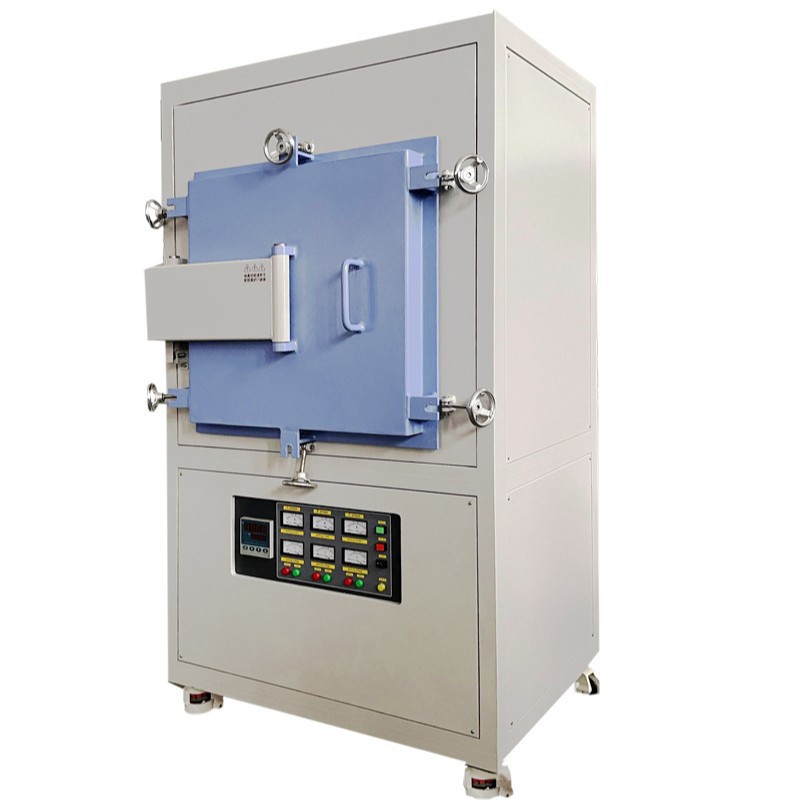
2. What Is a Sintering Furnace?
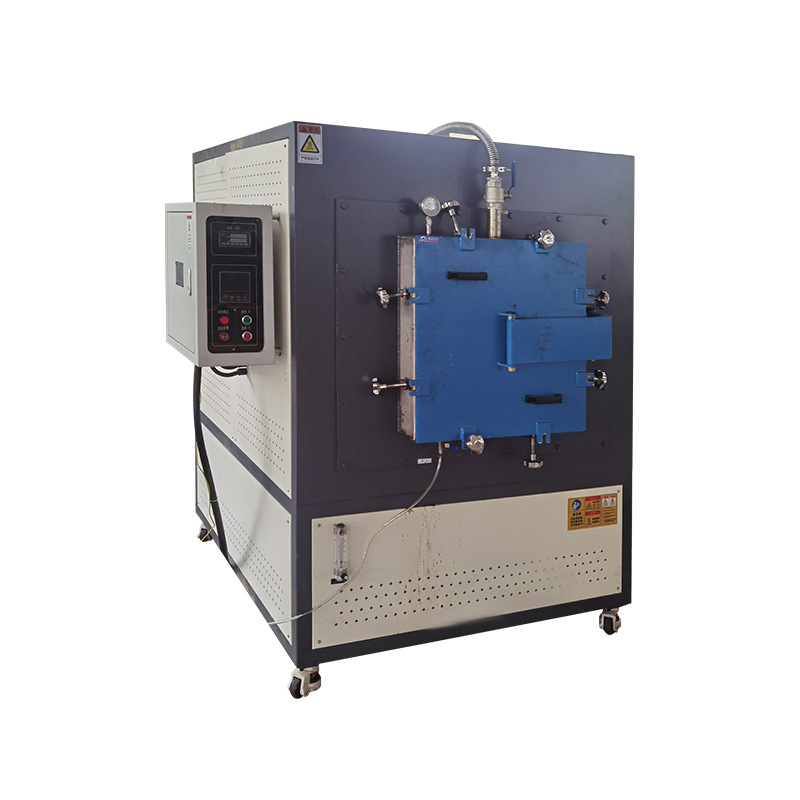
A sintering furnace is a thermal processing unit that heats powdered material below the melting temperature. It makes the particles in the mixture bond and solidify into one structure. The process enhances the density, strength, conductivity, and stability of the material.
A stable and clean atmosphere, programmable temperature, and uniform heating zones allow manufacturers to produce consistent, high-quality results.
https://www.azom.com/ (Materials & manufacturing resource)
3. Working Principle
The operation of a sintering furnace involves a simple yet highly controlled mechanism:
- Powders are loaded on trays or conveyer belts
- The furnace chamber heats the material at a fixed temperature
- A protective atmosphere prevents the powder from oxidizing
- Particles sinter to create a high-density and high-strength component
- Parts cool in a controlled environment
These steps ensure consistent metallurgy and uniform material characteristics.
4.Types of Sintering Furnaces
The following furnace types can be used by the manufacturers in different applications based on the materials as well as the required throughput
4.1 Vacuum Sintering Furnace
Vacuum sintering furnaces allow clean processing without any oxidation. It can be used for sintering of hard metals, magnetic materials and other powders that demand an oxidation-free environment.
4.2 Continuous Belt Sintering Furnace
Continuous belt sintering furnace is for mass production. With a constant flow of materials on the sintering belt the output can be further enhanced.
4.3 Hydrogen/Nitrogen Atmosphere Furnace
Hydrogen/nitrogen atmosphere furnace can be used for sintering of stainless steel or iron-based powder metallurgy as well as brazing operations
4.4 Microwave Sintering Furnace
Microwave sintering furnace results in rapid heating of the material and energy efficiency.
4.5 High-Temperature Graphite Furnace
High temperature graphite furnace can be used for sintering of ceramics and technical materials where temperatures above 2000 degree C are required
5. Important Features
The modern sintering furnace has the following features
- Stable temperature control systems
- Atmospheric protection to high purity gas
- Energy efficient thermal insulation systems
- Homogenous heating zones in the furnace
- Fully PLC automated temperature control
- Low maintenance system
6. Specifications
A standard sintering furnace will have the following characteristics:
- Temperature: 800–2200°C
- Atmospheres: Vacuum, H₂, N₂, Ar
- Chamber construction: Stainless steel or graphite
- Heating elements: Mo, W, SiC, graphite
- Power: 10–300 kW (per model)
- Throughput: Batch or continuous
Bangwin Thermal can also tailor the furnace volume and number of heating modules.
7. Benefits
Some of the key benefits of a sintering furnace are:
- Higher material density
- Better mechanical properties
- Uniform metallurgical properties
- Cheaper than casting
- Suitable for large scale production
- High purity/no contamination
- Boosts product quality and productivity
8. Applications
Some of the industries that use sintering furnaces are:
- Powder metallurgy parts
- Tooling and carbide materials
- Ceramic components
- Magnetic materials (NdFeB, ferrite)
- Automotive sintered gears
- Aerospace parts
- Electronic components
- Metal injection molding (MIM)
9. Why Bangwin Thermal
Bangwin Thermal have dependable furnace equipment with :
- Tailored chamber dimensions
- Efficient heating components
- Uniform temperature stability
- Quick delivery and tech support
- Applications for metallurgy,ceramics,MIM production
- Performance,durability,long-term service are our attention.
10. FAQ
Q1: At what temperature does a sintering furnace work?
Most models run from 800°C to 2200°C depending on material requirements.
Q2: Is a protective atmosphere required for sintering?
Yes. Hydrogen, nitrogen, or vacuum is used to prevent oxidation and contamination.
Q3: What materials can be sintered?
Iron, steel, copper, ceramics, carbides, and rare-earth magnets are common options.
Q4: What is the difference between vacuum and atmosphere sintering?
Vacuum provides ultra-clean processing while atmosphere types are more cost-effective.
Q5: Can Bangwin Thermal customize sintering furnaces?
Yes. Chamber size, temperature, gas systems, and automation can all be customized.