Introduction
Modern-day industries produce more heat than before. This realization made effective thermal management an imperative for product reliability and performance.
Heat Pipe Applications are one family of cooling technologies that stand apart today due to their ability to provide excellent heat transfer (passively, without external power). In addition, heat pipes provide compact designs, long service life and high thermal efficiency.
With the miniaturisation and increasing power of electronic devices, manufacturers are extending Heat Pipe Applications to many areas of Industry. As a result, the demand for advanced heat pipe manufacturing equipment is also rising.
Based in Nanjing, China, Nanjing Bangwin Machine provides comprehensive heat pipe manufacturing solutions for manufacturers around the world.

What Is a Heat Pipe?
Before browsing through several Heat Pipe Applications, it is better to know about what is actually a heat pipe?
A heat pipe is a two-phase sealed thermal transfer device.
It normally contains:
- Copper or aluminum tube
- Wick structure
- Working fluid
- Vacuum chamber
The working fluid evaporates at whichever end has heat.
Then vapor flows down toward the cool end.
Then condensation releases thermal energy.
But wait, the wick wicks back the liquid.
Therefore, the cycle repeats continuously.
This very uncomplicated process allows for super efficient heat transfer.
Ever wondered why heat pipe applications expand?
Numerous characteristics keep the business all that much acclamation warm pipes.
To begin with, processors are now getting more powerful every year.
Second, electronic devices become thinner.
Third, batteries in electric vehicles have greater heat generation.
At the same time, maintaining a predictable thermal control for renewable energy systems.
As a result, to increase product performance manufacturers are relying more and more on advance Heat Pipe Applications.
Besides, energy efficiency regulations stimulate businesses to use passive cooling technology.
This is why the global heat pipe market keeps growing.
How Heat Pipes Work
The principle of operation can give an insight view to the current Heat Pipe Applications.
There are five levels within the operating cycle.
Heat Absorption
The evaporator absorbs heat.
Evaporation
The working fluid becomes vapor.
Vapor Transport
Pressure differences move vapor rapidly.
Condensation
The condenser releases heat.
Liquid Return
The wick delivers liquid back through capillary action.
Heat Pipes on a Chip: Science and Application of Heat Pipes in Consumer Electronics
Heat Pipe Application are one of the largest markets in direction conventional consumer electronics.
Abstract: Today electronic devices generates a lot of heat.
As such, heat pipes have been incorporated into a variety of products by manufacturers.
Common examples include:
Laptop Computers
Gaming laptops are little factories for generating very high processor temperatures.
Heat pipes rapidly facilitate the movement of heat to cooling fins.
Consequently, processors maintain stable performance.
Desktop Computers
A higher-end CPU and GPU use multiple heat pipes.
This is how the cooling systems become more efficient.
Gaming Consoles
Gaming consoles run for hours on end.
What heat pipes do is to allow for safe operational temperature.
Smartphones
Miniature heat pipes become more common in top-end smartphones.
Additionally, there are devices that combine a vapor chamber with heat pipes.
LED Lighting
High-power LEDs produce considerable heat.
Principle of working heat pipes help in brightness and working life products.
Applications of Heat Pipe in AI Sorters and Data Centers
AI is powered by huge computational resource needs.
That is why AI servers are generating a lot of heat.
Over the years, Heat Pipe Applications have come to play an essential role in every modern data center.
Heat pipes cool:
- CPUs
- GPUs
- AI accelerators
- Memory modules
- Network processors
Furthermore, cooling is advanced which increases energy efficiency.
Consequently, operating costs decrease significantly.
Several server vendors now have devices that marry heat pipes to liquid cooling systems.
Heat Pipe Applications with Electric Vehicles
They also need sophisticated thermal management, Electric Vehicles
Battery temperature directly affects:
- Driving range
- Charging speed
- Battery lifespan
- Safety
Heat Pipe Applications are used throughout these EV systems by manufacturers.
Heat pipes cool:
Battery Packs
Uniform temperatures improve battery performance.
Power Electronics
Inverters generate substantial heat.
Charging Modules
Fast charging creates thermal challenges.
Electric Motors
Motor temperatures are stabilized by heat pipes.
The demand for heat pipe technology is growing in tone with an increasing use of EV production.
Heat Pipe Applications in Telecommunications
Modern communication networks operate continuously.
Therefore, reliable cooling remains essential.
Common Heat Pipe Applications include:
- 5G base stations
- Fiber optic equipment
- Communication servers
- Satellite communication systems
- Edge computing devices
Additionally, outdoor gear is subject to extreme conditions.
That is why passive cooling marks its importance.
Heat Pipe Applications in Aerospace
A lightweight cooling solution is needed for aircraft and spacecraft.
Heat pipes provide several advantages.
They offer:
- High reliability
- Low maintenance
- No moving parts
- Excellent thermal conductivity
As a result, heat pipes are employed in a range of aerospace applications by aerospace engineers.
Satellites
Electronic instruments require temperature control.
Aircraft Electronics
Avionics generate considerable heat.
Space Exploration
Passive thermal management is used a lot on spacecraft.
Heat Pipe Applications in Medical Devices
Stable operating temperatures are a must-have feature of medical equipment.
So, heat pipes are the common choice of many manufacturers.
Applications include:
- MRI systems
- CT scanners
- Ultrasound equipment
- Medical lasers
- Laboratory analyzers
Reliable cooling improves measurement accuracy.
Moreover, equipment lifespan increases.
Applications for Heat Pipes in Industrial Equipment
Industrial automation continues expanding worldwide.
As a result, more heat is produced by industrial equipment.
Common Heat Pipe Applications include:
Laser Equipment
Laser systems require efficient cooling.
Industrial Power Supplies
Power electronics produce continuous heat.
CNC Machines
Control systems need stable temperatures.
Automation Equipment
Better Cooling for Servo Controllers
Welding Equipment
Self-evidently this is similar to the process of warding off or protecting electronic components, here we can see a standard heat pipe.
Some Applications of Heat Pipe in Renewable Energy
Thermal management plays an important role in renewable energy systems.
As a result, heat pipe technology has gradually become the choice of manufacturers.
Applications include:
Solar Energy
Key words: Heat pipes; Solar collectors, Efficiency.
Wind Power
Power converters require cooling.
Energy Storage Systems
Temperature control is an advantage of battery storage.
Hydrogen Equipment
Cooling via efficient heat transfer is essential for power electronics.
Applications of heat pipe in the field of HVAC
Heat pipes are also good for heating and cooling equipment.
HVAC Heat Pipe applications that are very common include:
Air Conditioning
Heat recovery systems improve efficiency.
Fresh Air Systems
Heat pipes reduce energy consumption.
Industrial Ventilation
Thermal recovery lowers operating costs.
Commercial Buildings
Activity in the closed-loop system also reduces evaporation during indoor operation.
Thus, HVAC makers keep on embracing uninvolved warm innovations.
Selecting the Appropriate Heat Pipe for Your System
Several factors affect product selection.
Heat Load
Determine total thermal power.
Operating Temperature
Select suitable working fluids.
Installation Space
Measure available dimensions carefully.
Material Selection
Copper offers excellent thermal conductivity.
Orientation
This wick style may be useful for certain applications.
Environmental Conditions
Corrosion resistance may become important.
Therefore, engineering evaluation remains essential.
Heat Pipe Manufacturing Equipment
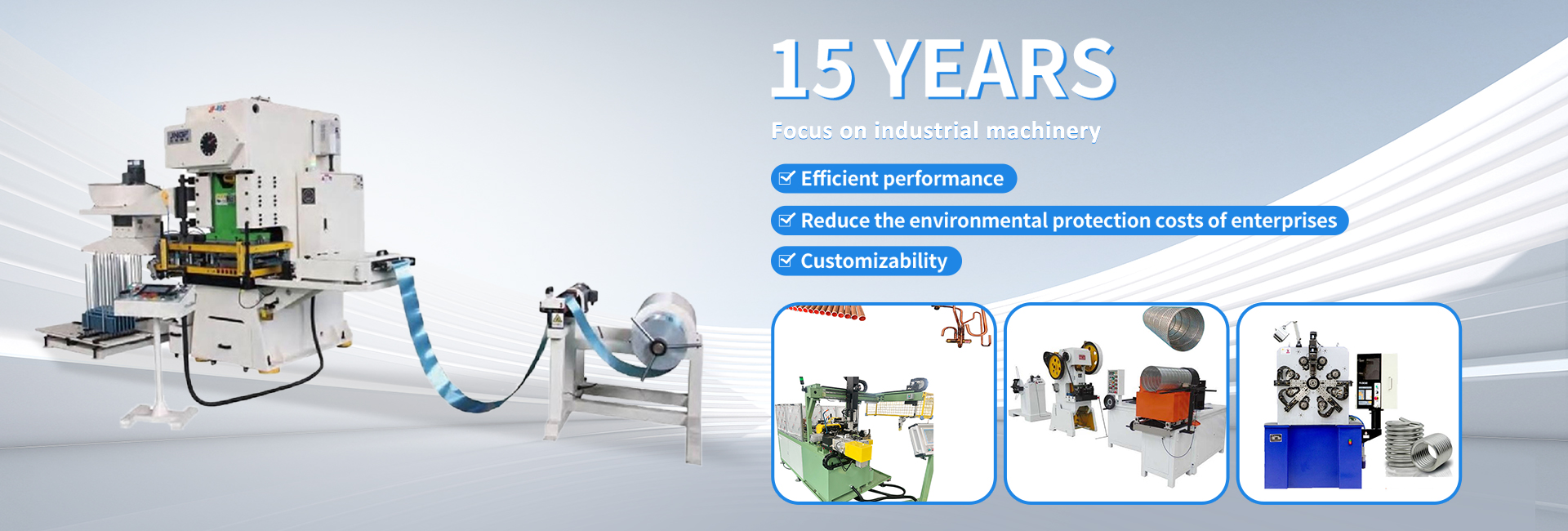
New applications for Heat Pipe drive demand for more advanced production equipment.
Modern production lines include:
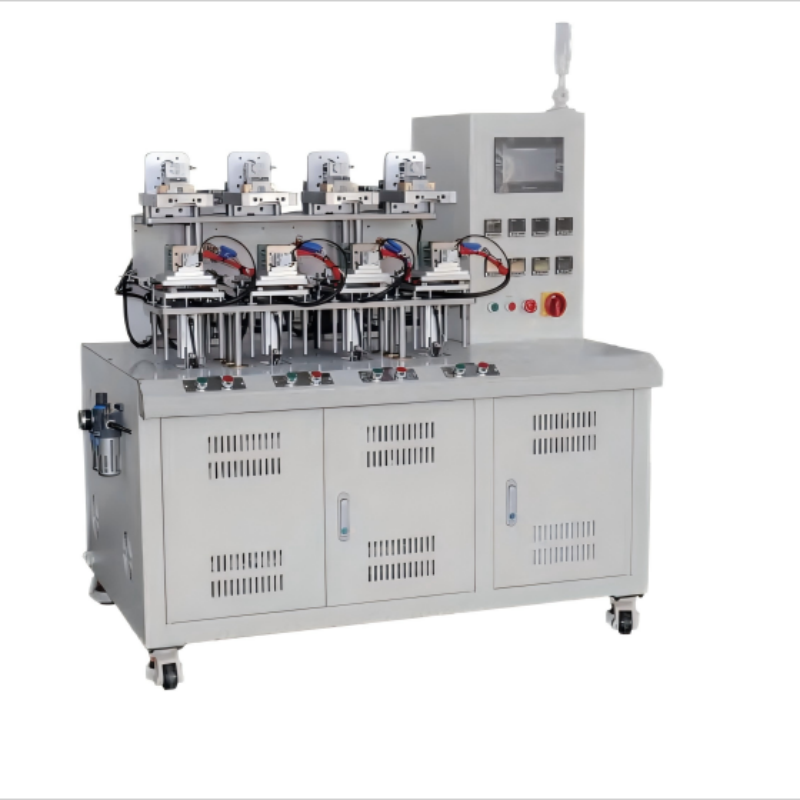
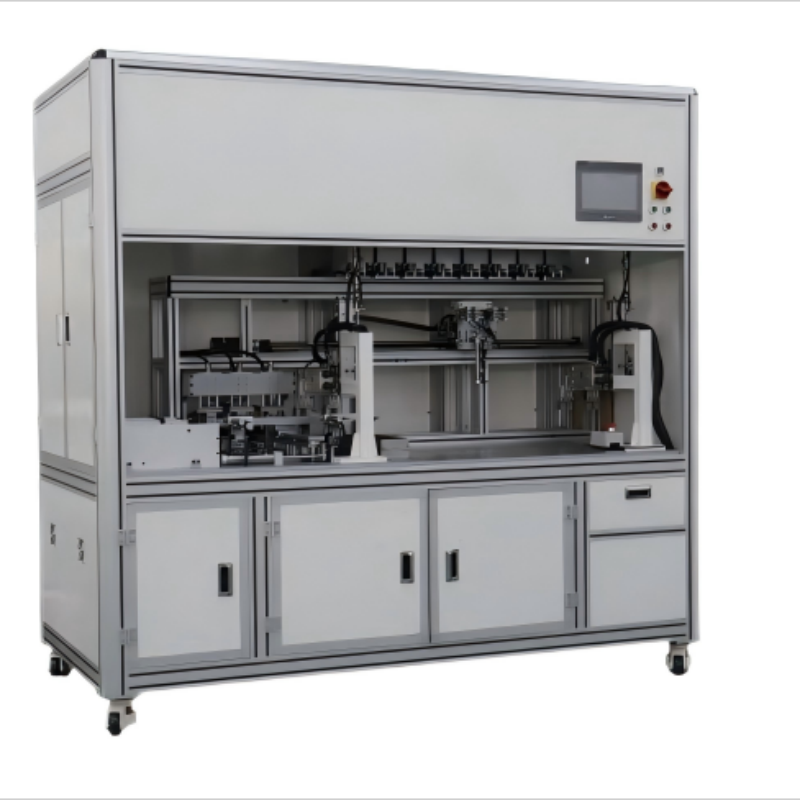
- Heat Pipe Manufacturing Production Line
- Copper Tube Cutting Machine
- Sintering Furnace
- Vacuum Degassing Machine for Copper Heat Pipe
- Automatic Water Injection Machine
- Copper Tube End Closing Machine
- Automatic Welding Machine
- Tube End Forming Machine
- Tube Processing Machine
- Vapor Chamber Manufacturing Production Line
Using automation makes you more productive, and helps the manufacturing process be more consistent.
Why Choose Nanjing Bangwin Machine
Nanjing Bangwin Falls into the machine type of heat pipe machinery turn key lighting production line.
Visit:
Nanjing Bangwin Machine Official Website
Our solutions include:
- Heat Pipe Manufacturing Production Line
- Vapor Chamber Manufacturing Production Line
- Vacuum Degassing Machine For Copper Heat Pipe
- Automatic Water Injection Machine
- Copper Tube End Closing Machine
- Sintering Furnace
- Tube Processing Machine
Additionaly we offer bespoke automation solutions based on customer needs.
In addition, we have engineers that set up equipment install train and support your technical services.
This means that manufacturers effectively streamline all processes, find better ways to eliminate downtime, and produce higher quality products.
FAQ
1. What are the main heat pipe applications?
Heat pipes serve electronics, AI servers, electric vehicles, telecommunications, aerospace, HVAC systems, renewable energy, and industrial equipment.
2. Why do laptops use heat pipes?
Heat pipes transfer processor heat quickly to cooling fins. Therefore, laptops maintain lower operating temperatures.
3. Can heat pipes cool EV batteries?
Yes. Heat pipes help maintain uniform battery temperatures and improve safety.
4. Are heat pipes suitable for AI servers?
Yes. AI servers generate high heat loads, and heat pipes improve cooling efficiency.
5. Which industries use heat pipe technology most?
Consumer electronics, data centers, aerospace, telecommunications, automotive, and medical industries use heat pipes extensively.
6. What equipment produces heat pipes?
Manufacturers use cutting machines, sintering furnaces, vacuum degassing machines, water filling systems, end closing machines, and automated production lines.
7. Where can I find professional heat pipe manufacturing equipment?
You can explore complete solutions from Nanjing Bangwin Machine Official Website.
Best offers for industrial gas cylinders and its manufacturing products, visit:
Conclusion
The Heat Pipe Applications have been widely proliferating with the ever-increasing requirements by industries for Higher Cooling Effectiveness, Minimum Energy Usage and Higher Product Reliability. Heat pipes are critical components of modern thermal management in laptops, AI servers, electric vehicles, aerospace systems, renewable energy and HVAC equipment.
If you would like to make sophisticated high-end heat pipes or vapor chambers, then advanced manufacturing equipment is required. Nanjing Bangwin Machine serves manufacturers with an array of fully featured lines for heat pipe production, custom automation system design, and technical support to meet the challenges of superior productivity and product quality.
Nanjing Bangwin Machine official website for more details