
Introduction
Modern electronics and industrial equipment produces heat in greater amounts. Hence, the manufacturers indeed need effective thermal management systems to render the same level of performance.
Heat Pipe Types are one of the most efficient cooling technologies offering flexibility across various industries. In addition, each kind provides distinctive benefits which depend on structure, quality and working circumstances.
So if your heat pipe to choose is in designing laptops, AI server, Failure electric vehicles aerospace system HVAC equipment the right heat pipe can improve cooling efficiency and reliability of product.
With the increase of thermal requirements, manufacturers venture to develop new Heat Pipe Types to improve efficiency and optimize size.
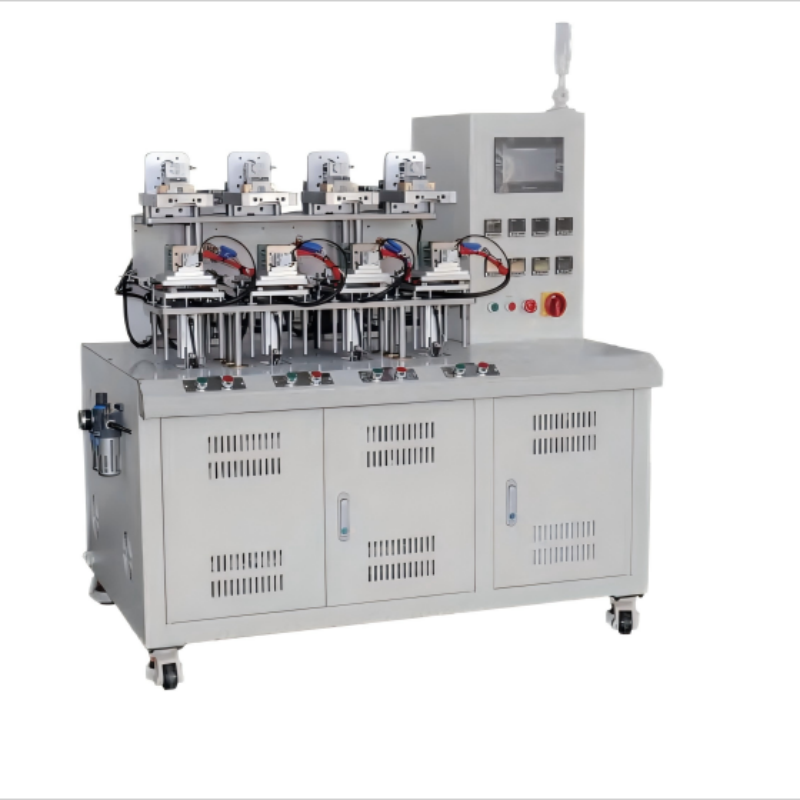
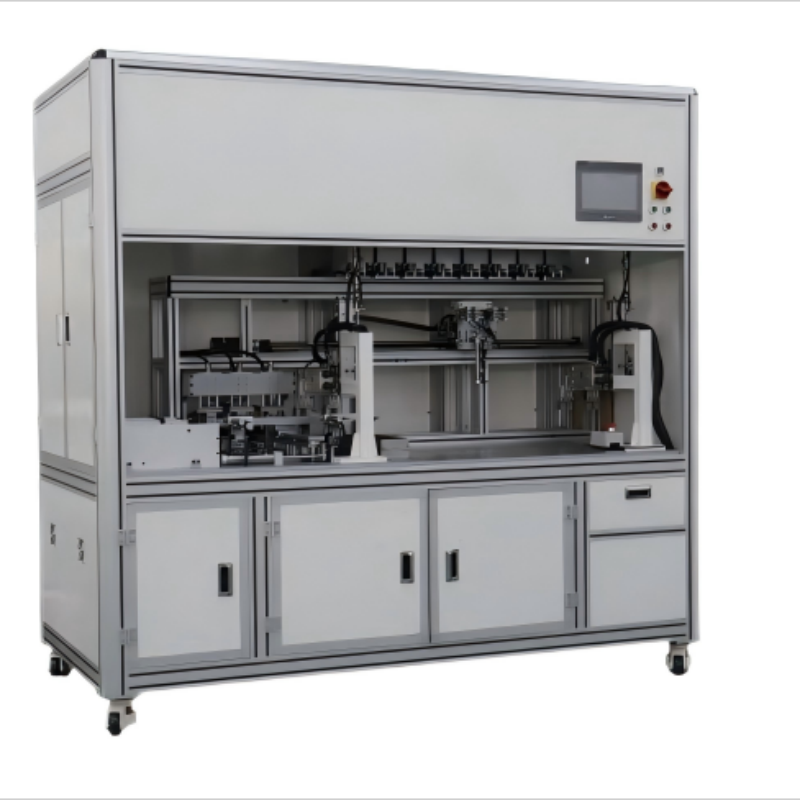
Nanjing Bangwin Machine All-In-One Manufacturing Equipment Supplier for Heat Pipe and Vapor Chamber

What Is a Heat Pipe?
To understand the concept better, we need to learn some fundamentals about heat pipe types before we delve into various heat pipe types.
A heat pipe is a passive, sealed device that transfers heat.
It normally includes:
- A metal shell
- A wick structure
- A working fluid
- A high-vacuum environment
As heat makes contact with the evaporator, the working fluid vaporises.
Then vapor moves to the cold end.
Then, the steam condenses and gives out heat.
And finally, it returns to the liquid via the wick really by utilizing capillary force.
As a result, this cycle keeps going over and once again, no outside power essential.
Due to the heat transfer efficiency of this process, heat pipes can be found in many thermal management systems.
The Importance of Understanding Heat Pipe Types
Thermal Solution iª Different solution for different application. Hence, engineers must have an idea about the properties of different Heat Pipe Types before choosing one.
Even a single mistake in the design can hamper cooling performance, increase material costs and lead to early product failure.
Choosing the right heat pipe allows manufacturers to:
- Improve heat transfer efficiency
- Reduce product temperatures
- Increase equipment reliability
- Extend service life
- Lower energy consumption
- Optimize manufacturing costs
Thus, going with a heat pipe is an engineering decision that must be made.
How Heat Pipes Work
The working principle is the same for all types of Heat Pipes.
The process includes five stages.
Heat Absorption
The evaporator absorbs thermal energy.
Evaporation
The fluid working changes from liquid to vapor
Vapor Transport
The vapor diffuses into the cooler side.
Condensation
The condenser releases heat.
Liquid Return
The wick carries back the liquid to the evaporator.
Heat pipes provide very effective passive cooling because the cycle is continuous in operation.
Classification by Wick Structure
The wick defines the liquid return ability. As a result it has a very substantial impact on thermal performance.
Sintered Heat Pipe
This wick is made from a sintered copper powder in the case of a Sintered Heat Pipe.
That wick is produced by the manufacturers through sintering.
Advantages
- Strong capillary force
- Excellent thermal performance
- Supports multiple orientations
- Suitable for high-power electronics
Applications
- Gaming laptops
- AI servers
- Industrial electronics
- Medical devices
Grooved Heat Pipe
A Grooved Heat Pipe includes miniature incisions on the inside of the tube wall.
These grooves direct the liquid back toward the evaporator.
Advantages
- Simple manufacturing
- Lower production cost
- Good reliability
Applications
- Consumer electronics
- Lighting equipment
- Communication devices
Mesh Heat Pipe
This type of heat pipe is a Mesh Heat Pipe it uses woven metal mesh as the wick.
Advantages
- Easy manufacturing
- Good flexibility
- Competitive cost
Applications
- Standard cooling systems
- Industrial equipment
- Laboratory instruments
Fiber Wick Heat Pipe
The Fiber Wick Heat Pipe works by using fiber material to transfer liquid.
Advantages
- High liquid retention
- Flexible design
- Stable operation
Applications
- Aerospace
- Medical equipment
- Specialized electronics
Classification by Shape
Heat Pipe Types are also categorized on the basis of their physical structure by manufacturers as well.
Straight Heat Pipe
This design allows direct heat transfer between two points.
Typical Applications
- Desktop computers
- Heat exchangers
- Industrial equipment
U-Shaped Heat Pipe
This design bends like a U.
Therefore, it fits compact products.
Applications
- Laptop computers
- Mini PCs
- LED lighting
Flat Heat Pipe
Flat Profile – A Flat Heat Pipe has a Flattened Structure.
As a result, it accommodates thin electronic devices.
Applications
- Tablets
- Smartphones
- Thin notebooks
Flexible Heat Pipe
A Flexible Heat Pipe bends and does not lose thermal performance.
This in turn gives designers more freedom to install it.
Applications
- Aerospace
- Robotics
- Military electronics
Classification by Working Principle
There are multiple specialized Heat Pipe Types with varying operating methods.
Conventional Heat Pipe
Image via Google This design utilizes a wick and working fluid
It serves most commercial applications.
Loop Heat Pipe
Loop Heat Pipe divides vapour and liquid flow paths.
As a result, it does so across longer distances.
Advantages
- High heat transport capacity
- Long-distance cooling
- Stable performance
Applications
- Satellites
- Aerospace
- Data centers
Pulsating Heat Pipe
Pulsating Heat Pipe is an example, which has no conventional wick.
Instead, liquid and vapor oscillate in its own rhythm.
Applications
- Electronic cooling
- Compact devices
- Research equipment
Vapor Chamber
Vapor Chamber vs Heat Pipes — Engineers, many of them usually compare a Vapor Chamber with heat pipes.
A vapor chamber spreads the heat across a flat area.
Advantages
- Uniform heat spreading
- Excellent thermal distribution
- Compact design
Classification by Operating Temperature
Heat Pipe Types vary based on the Environment.
Low-Temperature Heat Pipes
Manufacturers often use ammonia.
Typical applications include aerospace systems.
Medium-Temperature Heat Pipes
The most used working fluid is still water.
Applications include:
- Computers
- Servers
- Telecommunications
High-Temperature Heat Pipes
Manufacturers use sodium or potassium.
Applications include:
- Industrial furnaces
- Nuclear energy
- Solar thermal systems
Classification by Materials
The performance of heat pipes is also affected by material selection.
- Copper Heat Pipe
Copper offers excellent thermal conductivity.
Therefore, electronics manufacturers prefer it.
- Aluminum Heat Pipe
Aluminum reduces overall weight.
So, it is popularly used for aerospace products.
- Stainless Steel Heat Pipe
Stainless steel resists corrosion effectively.
Therefore, chemical industries choose it.
- Titanium Heat Pipe
Titanium provides excellent strength.
It also works well in extreme environments.
What type of heat pipe do I choose?
Several factors influence selection.
Heat Load
Higher power needs higher thermal mass
Available Space
If the device is to be more compact, then its design should be flat or fake.
Installation Direction
Certain configurations in the wick accommodate orientations supporting all gravity.
Operating Temperature
Temperature governing working fluid selection
Cost
Manufacturers balance performance and budget.
Hence engineers scrutinize every requirement from their part.
Heat Pipe Manufacturing Process
There is a very specific process by which every heat pipe is manufactured.
Typical production includes:
- Copper tube cutting
- Wick production
- Wick insertion
- Cleaning
- Vacuum degassing
- Fluid filling
- End sealing
- Performance testing
Modern factories use:
- Heat Pipe Manufacturing Production Line
- Copper Tube Cutting Machine
- Sintering Furnace
- Copper Quality Assurance Vacuum Degassing Machine
- Automatic Water Injection Machine
- Copper Tube End Closing Machine
- Automatic Welding Machine
- Tube End Forming Machine
Automation enables higher quality and efficiency in production.
Heat Pipe Applications
Numerous sectors are supported by Different Boiler Varieties.
Common applications include:
- Consumer Electronics
- Laptops
- Gaming PCs
- Smartphones
- AI Servers
- GPUs
- AI processors
- Data centers
- Electric Vehicles
- Battery cooling
- Inverters
- Charging systems
- Telecommunications
- 5G equipment
- Network servers
- Aerospace
- Satellites
- Aircraft electronics
- Medical Equipment
- MRI systems
- CT scanners
- Laboratory instruments
- Renewable Energy
- Solar collectors
- Battery storage systems
- HVAC Systems
- Heat recovery units
- Air conditioning equipment
Why Choose Nanjing Bangwin Machine
Nanjing Bangwin Machine is the professional manufacturer of heat pipe and vapor chamber equipment.
Visit:
Nanjing Bangwin Machine Official Website
Our products include:
- Heat Pipe Manufacturing Production Line
- Vapor Chamber Manufacturing Production Line
- This is the Copper Heat Pipe Vacuum system.
- Automatic Water Injection Machine
- Copper Tube End Closing Machine
- Sintering Furnace
- Tube Processing Machine
Additionally, we offer turn-key production lines and tailored automation solutions.
Also, engineering team is helping in terms of installation, training, and after sales services.
Consequently, customers increase the efficiency and quality of production.
Home
FAQ
1. Major Types of Heat Pipes
The most common heat pipe types are sintered, grooved and mesh, fiber wick, loop, pulsating, flat/flexible heat pipes and vapor chamber.
2. What is the heat pipe type with best performance?
A sintered heat pipe typically has good capillary action and high thermal performance for severe application.
3. Is there a key difference between heat pipe and vapor chamber?
A heat pipe will be transferring the heat along a linear path, and a vapor chamber will spread out that heat across a larger flatter surface.
4. What type of heat pipe is suitable for laptops
Sintered and flat heat pipes are often found in laptops since they run extremely hot when working so well in limited spaces.
5. What heat pipe types are used in which industries
Types of heat pipes using for different electronics, AI servers, telecommunications, electric vehicles, aerospace, renewable energy appliances HVAC and medical equipment.
6. What equipment manufactures heat pipes?
Factories are outfitted with tube cutting machines, sintering furnaces, vacuum degassing machines, water injection machines and end closing machines as well as fully automated production lines.
Visit: industrial gas cylinders and their products related manufacturing here
Bangwin Gas Cylinder
Conclusion
Familiarity with the Heat Pipe Types enables engineers to select the best thermal solution for each application. A well-designed heat pipe ensures cooling performance, reliability, and extended lifetime whichever type you want—a sintered heat pipe in AI servers; or a flexible heat pipe that is preferable in aerospace systems; or rather a vapor chamber in high-density electronics.
Interest in heat pipes, vapor chambers and advanced thermal is only growingLearn more atwww.bangwin.comAs global demand for high performance & enhanced thermal management continues to expand, Nanjing Bangwin Machine delivers turn-key solutions with equipment systems for heat pipe production, full vapor chamber manufacturing lines as well as complete automation systems and equipment to meet manufacturers needs.
相关文章:
 Automatic Welding Machine vs Manual Welding: Efficiency, Cost, and Quality
 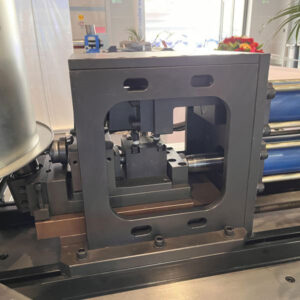 Flange Machine for Precision Industrial Flange Production
 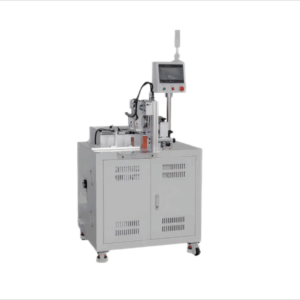 Automatic Welding Machine — High-Speed Intelligent Welding System for Modern Manufacturing
 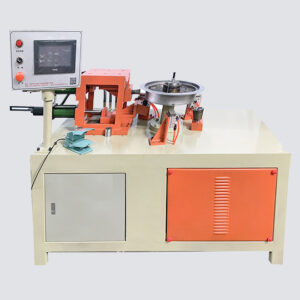 Flanging Machine for Heat Exchanger & Tank Production | Nanjing Bangwin Machine